
As the Arab Awakening continues to rock the Middle East and North Africa, Tunisia’s civil society has launched a national dialogue about one of the thorniest issues facing the country: how to bring former President Zine el-Abidine Ben Ali’s brutal security system under civilian control?
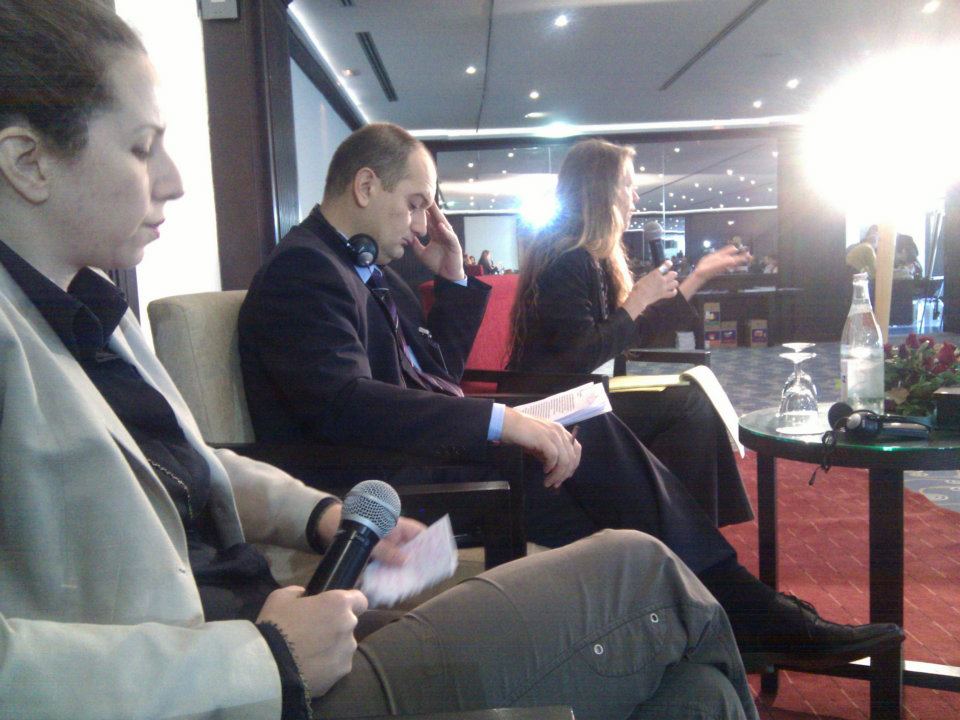
From November 12-13, the Tunisian NGO Le Labo’ Democratique teamed up with Geneva-based Centre for Democratic Control of Armed Forces (DCAF) to convene a public meeting on “The Archives of the Political Police: A Challenge for Transitional Democracy?” The conference brought security experts, archivists, intellectuals, journalists, bloggers, artists and activists together with members of Tunisia’s interim government to discuss strategies for obtaining and preserving the records of the old regime’s hated security apparatus. For comparative purposes, the organizers invited four international specialists with experience in archives: from Poland, Germany, Romania, and the National Security Archive. (See conference agenda, here.)
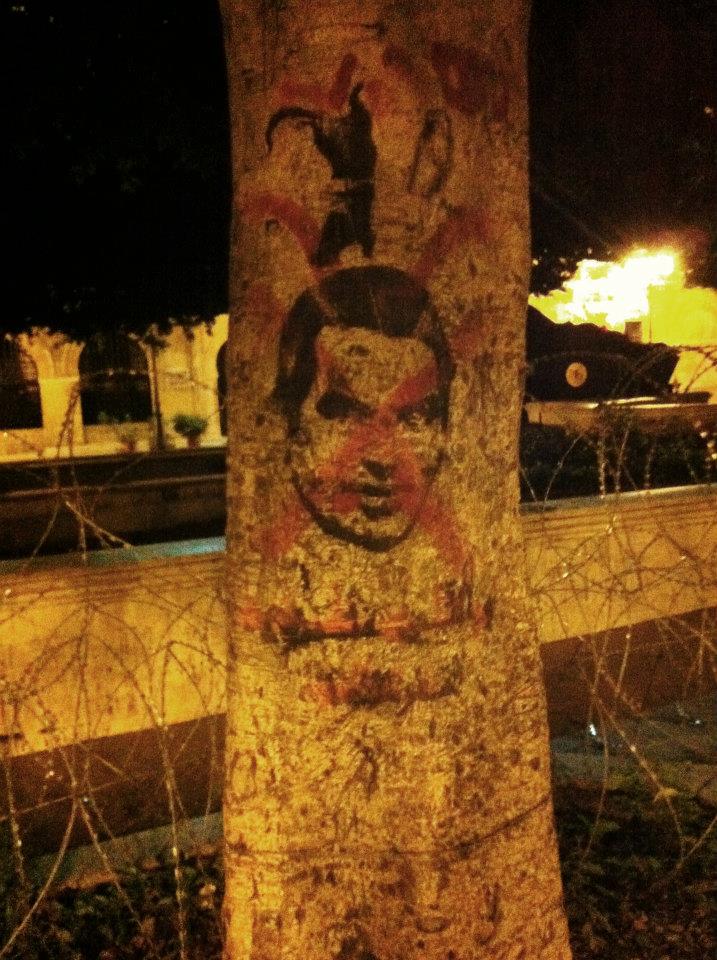
Tunisia’s revolution began on December 17, 2010, when a young street vendor in the town of Sidi Bouzid, Mohamed Bouazizi, set himself on fire in protest of repeated harassment by local officials. His act inspired angry demonstrations by citizens fed up with an abusive and corrupt regime; after he died from his burns on January 4, the riots became a general uprising, and on January 14 Ben Ali stepped down after 23 years in power.
Now Tunisia struggles to build a democratic nation out of the ruins of authoritarian rule. Although the country has navigated the dangers of political transition with an extraordinary calm and national cohesiveness, the old governing structures and many of the former officials remain in place. The November conference was designed to address one of the regime’s most despised legacies: the secret police.
Operating out of the Interior Ministry and other federal agencies, the intelligence and security forces known collectively as the secret police, or political police, excelled in spying on citizens, infiltrating civil society groups, trolling emails and social media sites for information, and harassing, intimidating and torturing suspected opponents of Ben Ali’s regime. Conference participants agreed that no space, public or private, was safe from the surveillance state. As Farah Hachad, a lawyer and president of Le Labo’, recalled at the start of the conference, “Since I was born, even conversations inside our house would be silenced because of the fear inside our hearts that we would be heard and punished.” (more…)


