

Last week the Department of State released the “Zelikow Memo,” in response to a National Security Archive FOIA request. While less than the stalwart, principled, statement of righteous indignation against the United States’s use of torture that some have claimed, the memo does show that some within the Bush administration knew that the CIA’s practice of torture was illegal –and said so. We also know that the White House tried to have this view suppressed. As Philip Zelikow, the memo’s author, said in an interview, “Obviously, you want to eliminate records because you don’t want people to find them.” Fortunately, thanks to the Freedom of Information Act (and diligent and law-abiding records keepers from the Bureau of Intelligence and Research), those who wish to know the unvarnished history of “The War on Terror,” can come closer to doing so.
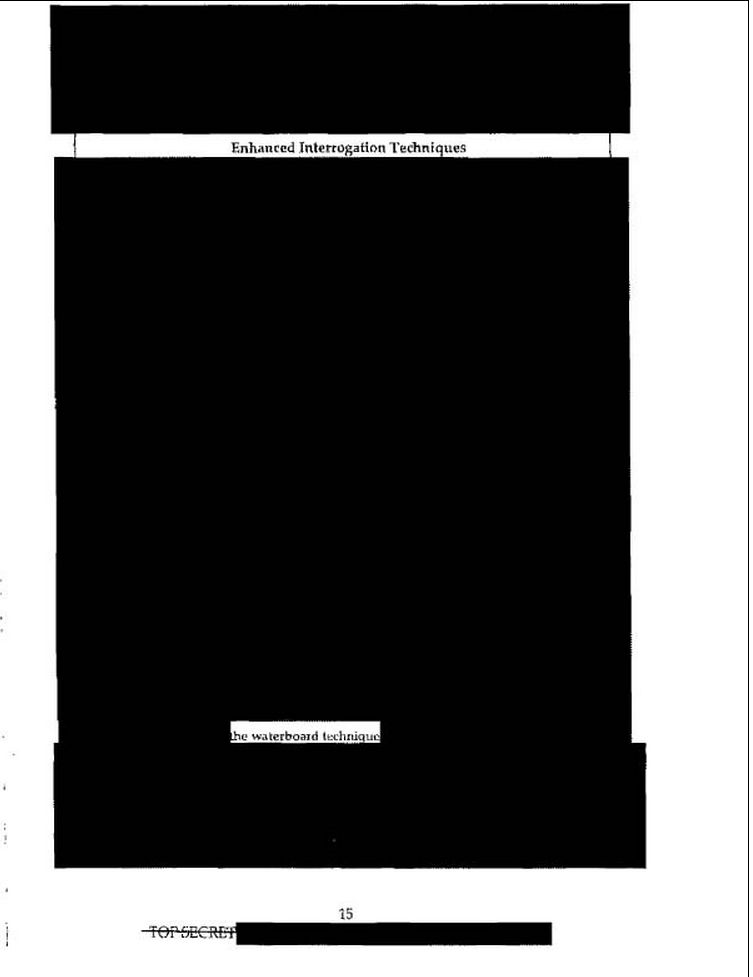
Information on US torture policies was not always available. The Bush administration’s disdain for the public’s right to know can be summed up in one infamous page from its highly-redacted May 2008 release of the CIA’s Inspector General’s report on Torture Counterterrorism Detention and Interrogation Activities.
And here is the same page, released by the Obama administration in August 2009. (Click here for the National Security Archive’s fascinating side-by-by side of the two documents to see what the CIA was attempting to hide.)
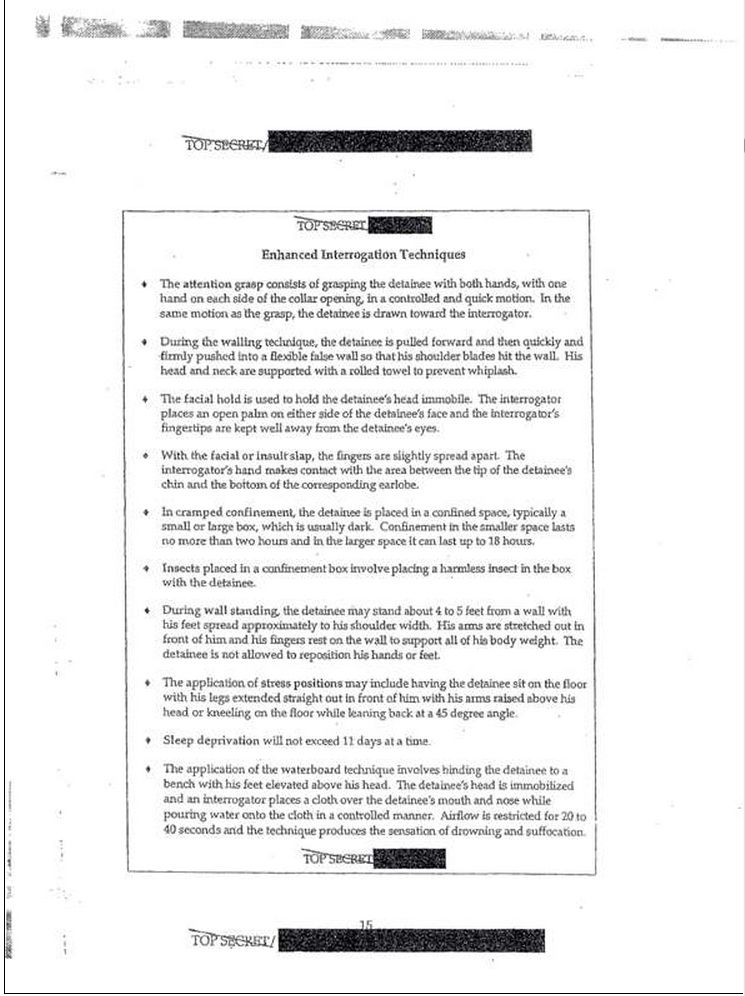
Credit must be given to the Obama administration for taking the history of the “enhanced interrogation program” from behind the redaction lines. The re-released and substantially less-redacted CIA IG report concluded, “The Agency faces potentially serious long-term political and legal challenges as a result of the CTC [Counterterrorism] Detention and Interrogation Program, particularly its use of EITs [Enhanced Interrogation Techniques] and the inability of the U.S. Government to decide what it will ultimately do with terrorists detained by the Agency.” The Obama administration’s release of the IG report spurred the release of the other torture memos.* (more…)


