
In anticipation of the ninth anniversary of 9/11, and the upcoming release of a new 15-document electronic briefing book on U.S.-Pakistan relations 2001-2005 (online Monday September 13 at www.nsarchive.org), the Unredacted is posting two exciting 9/11 documents.
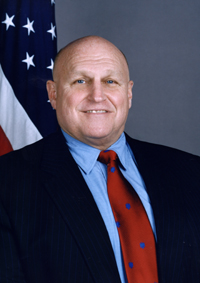
First, a cable describing Deputy Secretary of State Richard Armitage’s notorious September 13, 2001 meeting with Pakistani Intelligence (ISI) Chief Mahmoud Ahmed in which Armitage plainly sets out seven demands for Pakistan. [The meeting is well-known as a turning point in the U.S.-Pakistan alliance. See Ahmed Rashid (2008, 28) and The Washington Post]. This was one of the very first interactions binding the U.S. and Pakistan in Washington’s post-9/11 counterterrorism agenda.
Second, a September 14, 2001 cable regarding President Pervez Musharraf’s acceptance of the above noted seven demands from the U.S. “without conditions.” After giving the U.S. this wholehearted message of cooperation, President Musharraf notes he nevertheless has some questions regarding strategic goals and how America sees the Taliban in its counterterrorism battle against al-Qaeda. He asks do you want to just “strike UBL and his supporters or the Taliban as well?”
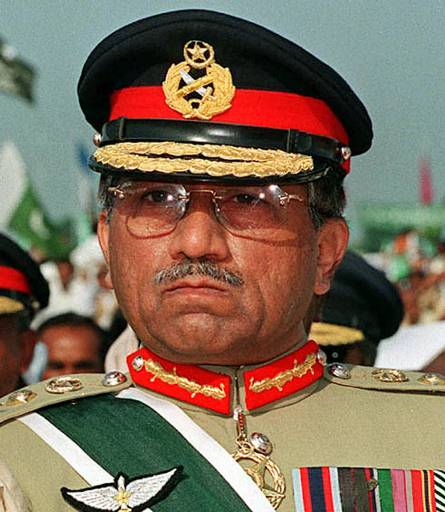
Musharraf also advises the U.S. to prepare for what comes after the invasion. Following any military action, he says, there should be a prompt economic recovery effort. “You are there to kill terrorists, not make enemies.” Unsurprisingly the President also tells Washington, “Islamabad wants a friendly government in Kabul.”
These documents are part of a more extensive publication (out Monday!), regarding America’s post 9/11 negotiations with its Pakistani allies, Islamabad’s control (or lack thereof) of Pakistan’s Pashtun tribal regions, the impact of these regions on America’s war in Afghanistan, reconciliation with the Taliban, the Taliban’s use of IEDs and suicide bombers, ISI support of Taliban elements after 9/11, violence in Afghanistan, and U.S.-Pakistani discussions regarding whether or not certain areas of Pakistan are a safe haven for al-Qaeda.
www.nsarchive.org
For more information contact Barbara Elias, belias@gwu.edu

 UNREDACTED: The National Security Archive Blog
8 responses to “On Anniversary of 9-11, New Documents Shed Light on US-Pakistani Relations”
[…] nsarchive.wordpress.com/2010/09/10/on-anniversary-of-9-11-new-documents-shed-light-on-us-pakistani-r… […]
[…] On Anniversary of 9-11, New Documents Shed Light on US … nsarchive.wordpress.com/…/on-anniversary-of-9-11-new-documents… […]
[…] On Anniversary of 9-11, New Documents Shed Light on US … nsarchive.wordpress.com/…/on-anniversary-of-9-11-new-documents… […]
[…] On Anniversary of 9-11, New Documents Shed Light on US … nsarchive.wordpress.com/…/on-anniversary-of-9-11-new-documents… […]
[…] On Anniversary of 9-11, New Documents Shed Light on US … nsarchive.wordpress.com/…/on-anniversary-of-9-11-new-documents… […]
[…] On Anniversary of 9-11, New Documents Shed Light on US … nsarchive.wordpress.com/…/on-anniversary-of-9-11-new-documents… […]
[…] On Anniversary of 9-11, New Documents Shed Light on US … […]
[…] On Anniversary of 9-11, New Documents Shed Light on US … […]